 Delivered Nationwide
Cost is often one of the first questions when considering a platform lift. The challenge is that there isn’t a single, standard price. Every installation is shaped by the building, the lift specification, and the level of work required to make it fit.
This guide breaks down the key factors that influence cost, helping you understand what drives pricing and how to approach your project realistically.
Expect Costs to Vary
Platform lift costs can vary significantly because no two installations are the same. In commercial settings, buildings differ widely in layout, structure, and access requirements, all of which influence the final scope of work. A lift installed in a modern office will have very different considerations compared to one fitted into a listed building or a busy retail space.
Like any building project, the cost is shaped by what already exists, what needs to be achieved, and how the solution is designed to fit the environment.
Two Factors to Keep in Mind
1. The Lift Itself
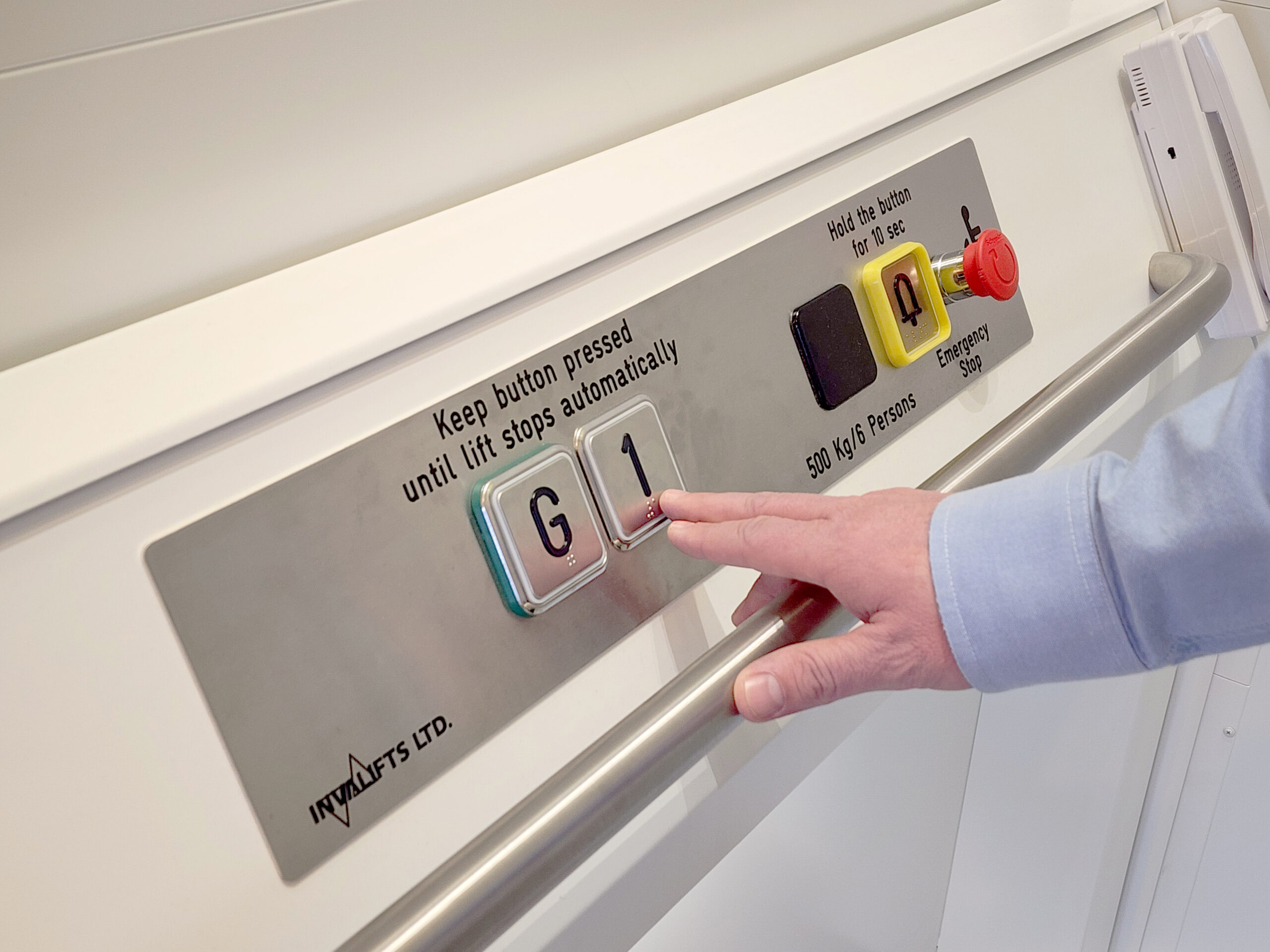
This covers the equipment and its specification, including the type of lift, travel distance, platform size, finishes, and any additional features such as automatic or fire-rated doors.
2. Building & Installation Works
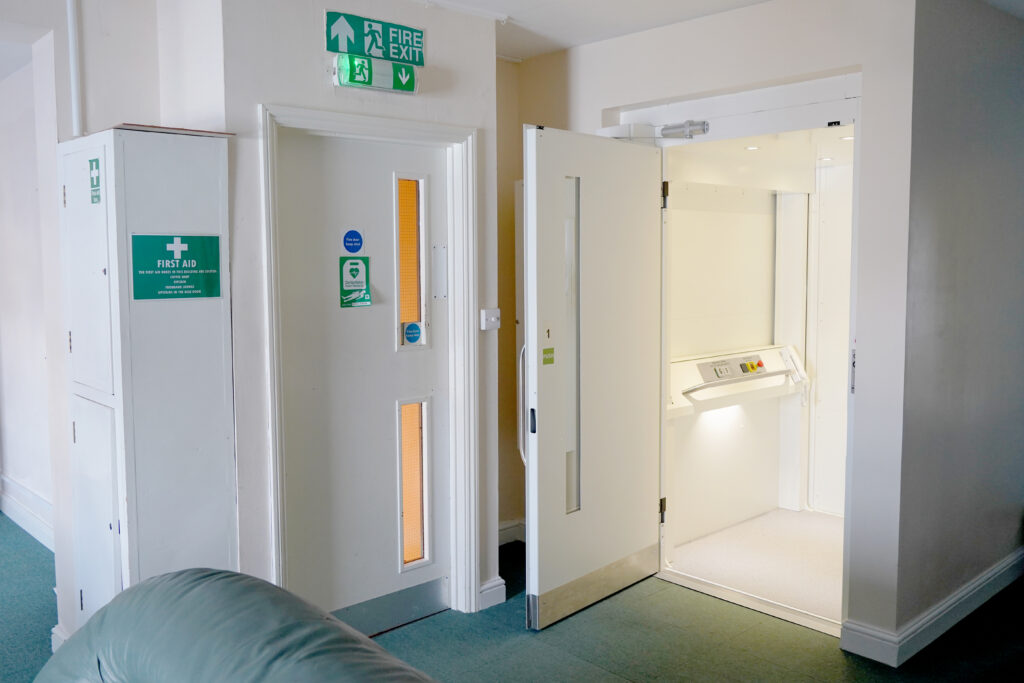
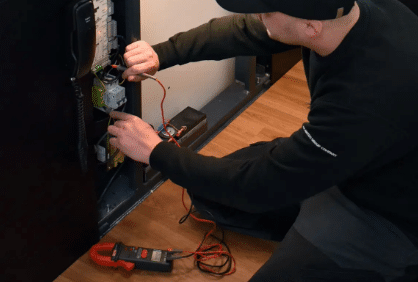
These are the site-specific requirements needed to accommodate the lift. This can include structural alterations, electrical work, and access considerations during installation.
What Affects the Cost of the Lift Itself?
Several factors influence the cost of the lift itself, with specification playing a major role in overall pricing. Others include:
- Travel distance (lift height) – The greater the vertical travel between floors, the more materials and components are required. Increased height can also affect the complexity of the installation.
- Number of entrances / doors – Each additional entrance adds to the cost, as doors, frames, and the necessary safety interlocks all increase both material and labour requirements.
- Platform size & capacity – Larger platforms and higher weight capacities are often needed in commercial settings, particularly where wheelchair users or attendants must be accommodated. These requirements increase both manufacturing and installation costs.
- Finishes and design options – Choices such as glazed panels, custom colours, or upgraded finishes will raise the overall cost compared to standard specifications.
- Door types – Manual doors are more cost-effective, while automatic or fire-rated doors involve more complex manufacturing and installation, increasing the price.
- Configuration and bespoke elements – Non-standard sizes, layouts, or design requirements typically require additional engineering and fabrication, which can significantly impact cost.
What Affects Installation & Building Costs?
While the lift itself is a key part of the cost, installation and building works are often where the biggest variations occur. This is largely because every building presents its own challenges, such as:
- Structural works – Creating space for the lift may involve cutting through floors, forming new openings, or adapting existing structures. The complexity of this work can vary significantly depending on the building.
- Pit requirements – Some platform lifts require a pit at the base level. The depth and feasibility of this can affect both cost and installation time.
- Electrical supply – A suitable power source must be available or installed, which may involve additional electrical work depending on the site.
- Access for installation – Tight or restricted sites may require specialist equipment such as scaffolding or lifting gear to position components safely, increasing labour and logistics costs.
- Working in occupied buildings – In commercial environments, installation often needs to be phased to minimise disruption. This can extend project timelines and introduce additional planning considerations.
For many projects, these building-related factors have a greater impact on overall cost than the lift itself.
Types of Platform Lifts and Their Cost Implications
Different types of platform lift are suited to different applications, and this has a direct impact on overall cost.
Vertical Platform Lifts
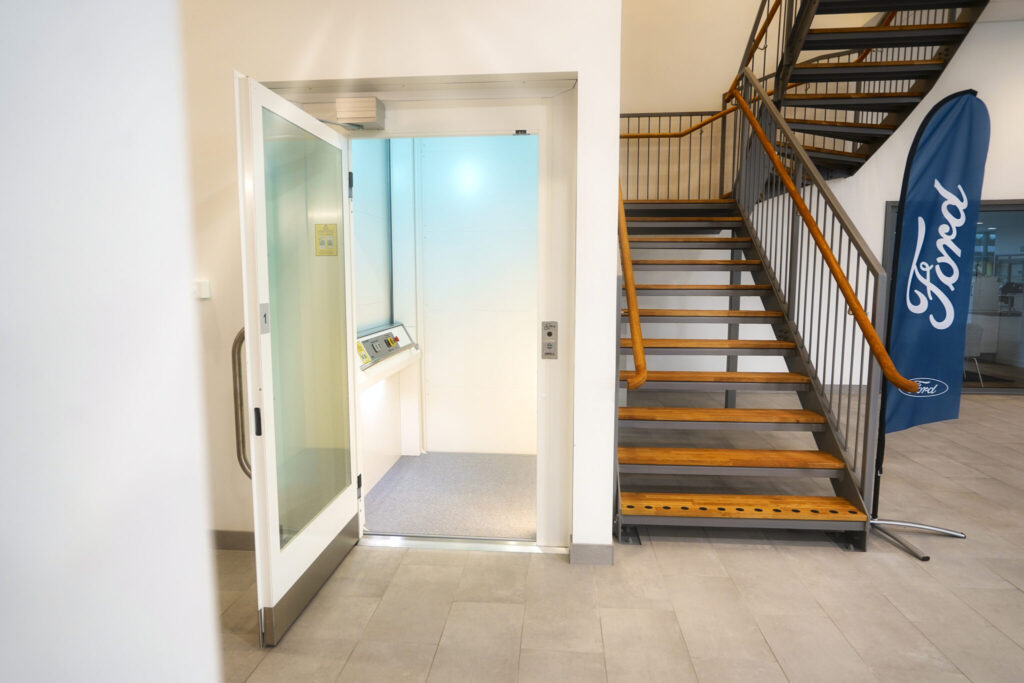
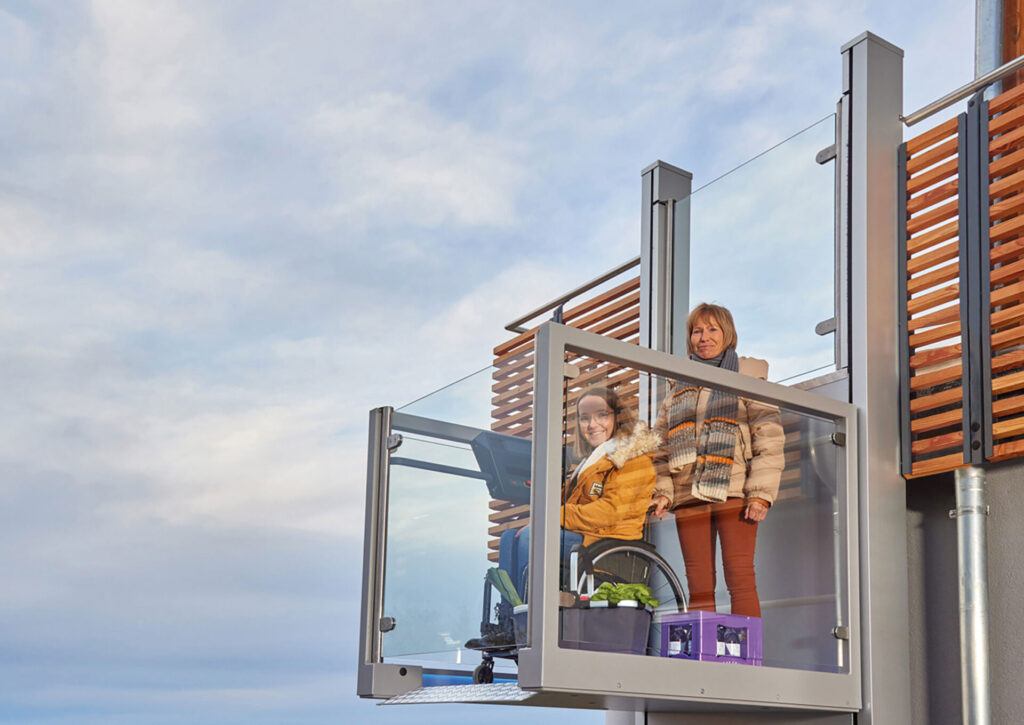
These are the most common solution in commercial environments, used to provide access between floors. Options such as the Motala 2000 or Aritco PublicLift range are designed for reliability and flexibility, but costs can vary depending on travel height, configuration, and finishes.
Cabin Platform Lifts
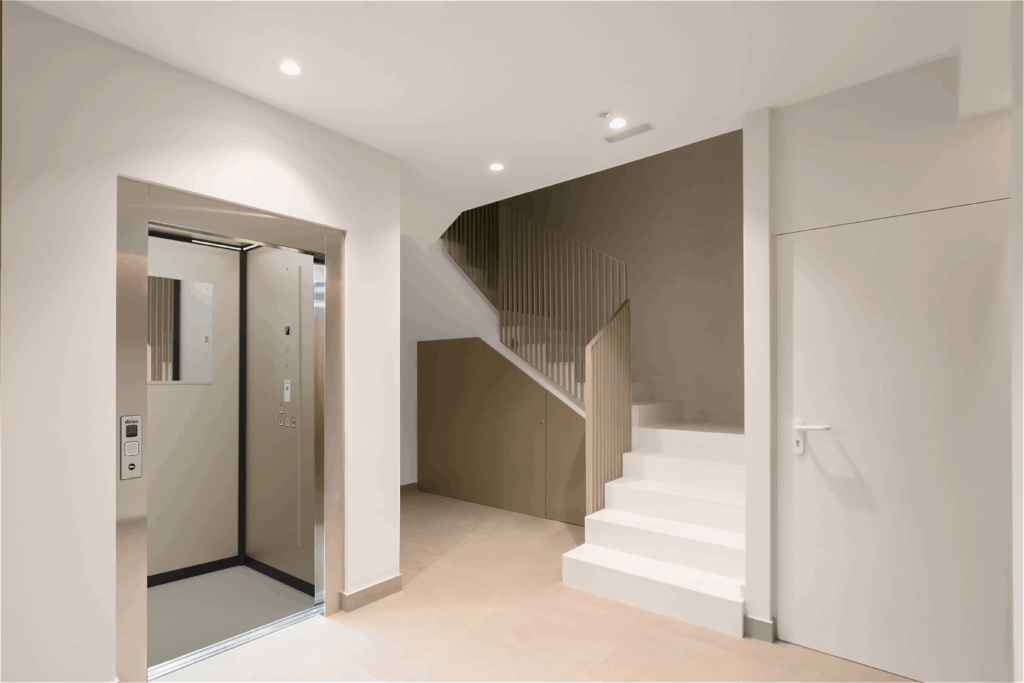
Offering a more enclosed, passenger lift-style experience, models like the Motala 2000 (Cabin), or Vimec AR:IA are often specified where aesthetics and user comfort are a priority. These typically involve higher equipment costs due to their design and features.
Step Lifts and Short-Rise Solutions
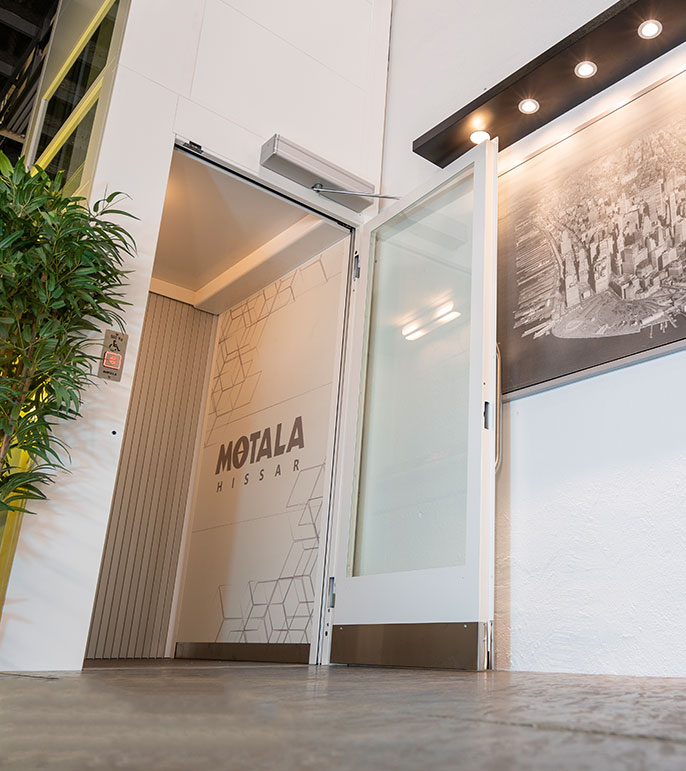
Products like the UnaPorte® are designed for small changes in level. With minimal building work required, they can offer a more cost-efficient solution for straightforward access needs.
Large Capacity and Specialist Lifts
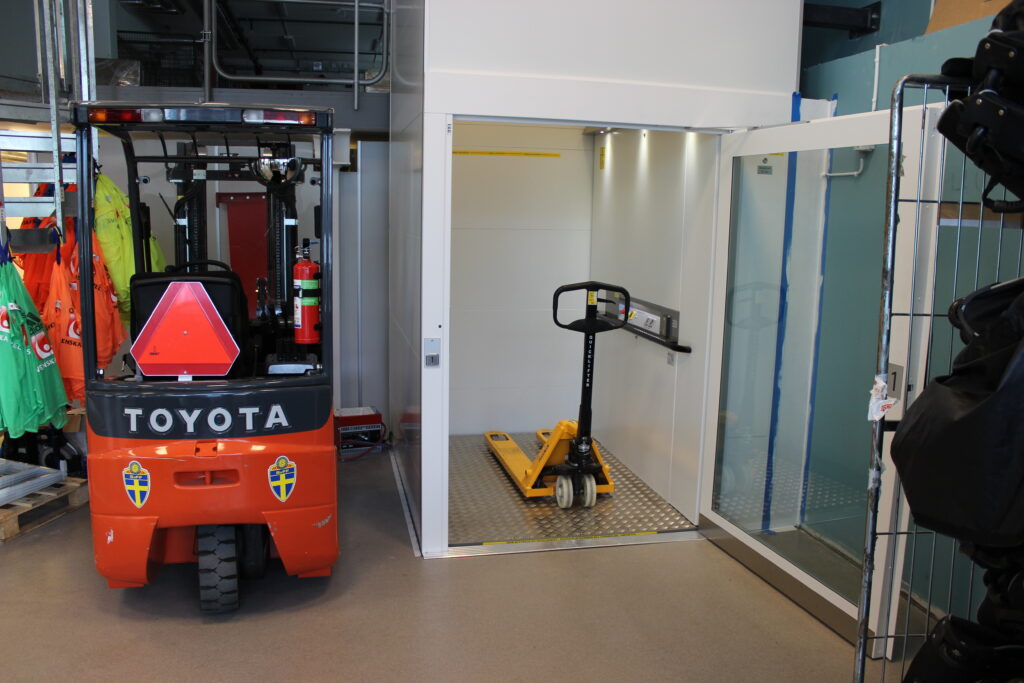
For applications such as hospitals, goods movement, or industrial use, higher-capacity solutions like the ILS 1000kg platform lift are required. These involve larger platforms, increased load ratings, and more robust engineering, which can increase both equipment and installation costs.
Choosing the right type of lift is a key factor in managing overall project cost.
What About Ongoing Costs
Beyond the initial installation, it’s important to consider the ongoing cost of ownership. Platform lifts are generally energy efficient, with relatively low running costs in day-to-day use.
Regular servicing and maintenance contracts are essential, particularly in commercial environments where lifts see frequent use. These help ensure reliability, maintain compliance, and reduce the risk of unexpected breakdowns.
Over time, components may require repair or replacement, so lifecycle considerations should form part of any long-term plan. Warranties can help manage these costs, with more comprehensive cover offering added reassurance and predictable maintenance over the life of the lift.
Ways to Keep Platform Lift Projects Cost-Efficient
Keeping a platform lift project cost-efficient starts with good planning. An early site survey helps identify constraints and avoid unexpected changes later in the process.
Choosing the right type of lift for the building is equally important. A solution that fits the space naturally can reduce both equipment and installation costs. Where possible, minimising structural work, such as avoiding major alterations or complex construction, can also have a significant impact on the overall budget.
Working with experienced installers ensures the project is specified correctly from the outset, helping to streamline installation and avoid costly delays or revisions.
Advantages vs Vertical Platform Lifts
Inclined platform lifts and vertical platform lifts serve similar purposes but suit different environments. Inclined lifts are installed directly onto a staircase, meaning no shaft is required. This makes them ideal for retrofit projects where space is limited or structural changes need to be kept to a minimum.
Vertical platform lifts, on the other hand, travel straight up and down and are better suited to higher levels of travel. They also offer greater capacity options and are often preferred where space allows for a more traditional lift setup. Choosing between the two depends largely on the building layout and available space.
Browse our full platform lift range to find the right fit →
Some Questions We’re Often Asked
Can a lift be installed in an existing building?
The answer is: yes. Many platform lifts are designed specifically for retrofit projects and can be installed with minimal structural changes, depending on the available space and layout.
Are platform lifts expensive to run?
Not usually. Platform lifts are generally very energy efficient, with low day-to-day running costs. Ongoing expenses are typically related to servicing and maintenance rather than energy use.
Do I need planning permission?
In most cases, internal platform lifts do not require planning permission. However, this can vary for listed buildings or external installations, so it’s always best to check early in the process.
How long does installation take?
Installation time depends on the complexity of the project. Many lifts can be installed within a few days once preparation work is complete, although more complex builds may take longer.
What affects the cost the most?
The biggest cost factors are usually the level of building work required and the lift specification itself. Structural changes, travel height, number of entrances, and bespoke features can all significantly influence the final price.
Getting an Accurate Cost
The only reliable way to understand the cost of a platform lift is through a site-specific assessment. Every building presents different requirements, so a detailed survey is the first step in defining the right solution.
If you’re planning a project, you can explore our commercial platform lift range to see the options available. Alternatively, speak to our team to arrange a survey or request a quote.