 Delivered Nationwide
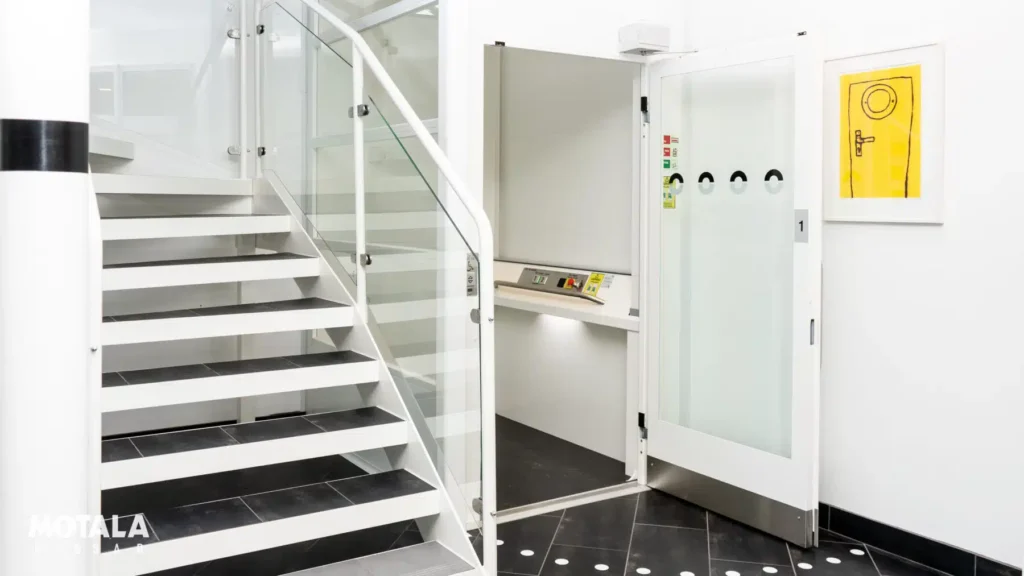
Many existing buildings were never designed with lift access in mind. As a result, upper and lower floors can be difficult to reach, limiting how the space is used and potentially affecting compliance and overall value. Platform lifts offer a practical way to overcome these challenges, particularly where space is restricted.
This guide explores how installing a platform lift can add measurable value to a building, from accessibility through to long-term return.
Why Accessibility Impacts Building Value
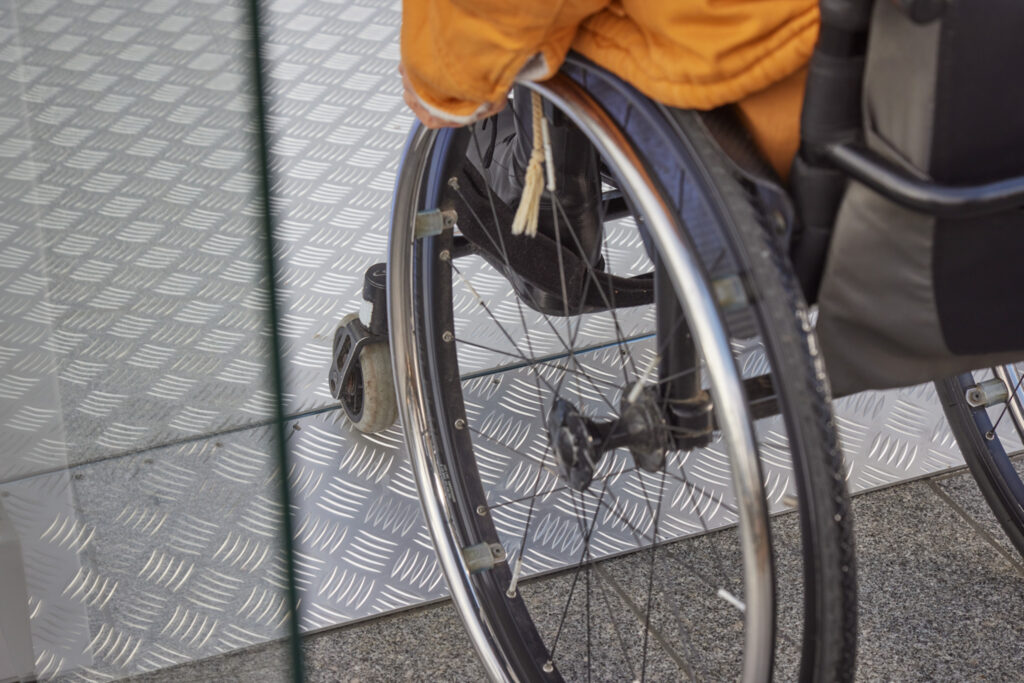
Accessibility is now a baseline expectation in commercial buildings. Legislation such as the Equality Act has reinforced the need to provide safe, inclusive access for all users. Beyond compliance, accessibility directly affects how a building can be used and who can use it – whether that’s employees, customers, or visitors.
Buildings that lack adequate access can limit occupancy, reduce flexibility, and ultimately become less attractive to tenants or buyers.
Where Exactly Platform Lifts Add Value
Platform lifts add value by making more of a building usable and accessible. Areas that were previously difficult or impossible to reach, such as upper floors or split-level spaces, can be opened up for regular use. This increases the practical floor area and improves how the building functions day to day.
They also help create smoother movement between levels, which is particularly important in busy environments. In offices, this supports staff accessibility; in retail, it improves customer flow; and in schools or public buildings, it ensures spaces are accessible to all users without restriction.

ROI & Property Value
Installing a platform lift can contribute to the overall value of a building, particularly where accessibility has previously been a limitation. Improved access can contribute to an increase in property value, particularly where it enables previously unused space to be brought into regular use. The extent of this will vary depending on the building and how the space is utilised.
More practically, a lift can make additional floor space viable, increasing lettable area, and improving rental potential. Buildings that are fully accessible are also more attractive to a wider range of tenants and users, strengthening long-term demand.
Taken together, this positions a platform lift as an access solution and a considered investment in a building’s future.
Compliance & Risk Reduction
Providing step-free access is a key part of meeting obligations under the Equality Act. A lack of suitable access can lead to legal challenges, limit how a building is used, and impact its reputation.
Installing a platform lift helps address these issues, ensuring the building is accessible to a wider range of users. It also helps future-proof the space, making it easier to meet evolving standards and expectations over time.

Expanding Who Can Use the Building
A platform lift expands who can comfortably access and use a building. This includes wheelchair users and people with limited mobility, as well as those who may find stairs challenging over time. It also benefits parents with pushchairs and, in some settings, can support the movement of light goods or deliveries between levels.
By making a building accessible to a wider group of people, it becomes more inclusive and more commercially viable. This broader usability can directly influence how the space is used, occupied, and valued.
Why Platform Lifts Work in Existing Buildings
Platform lifts are particularly effective in existing buildings where space is limited and major alterations aren’t practical. Many can be installed within existing stairwells, voids, or vertical apertures, making use of space that would otherwise go unused.
Their compact footprint allows them to fit into areas where a traditional lift wouldn’t be possible, while self-supporting designs remove the need for a full shaft or extensive structural work. This keeps disruption and building costs to a minimum and, as a result, offers a practical way to introduce lift access into older or constrained buildings without the complexity of a full redevelopment.
Types of Platform Lifts That Add Value
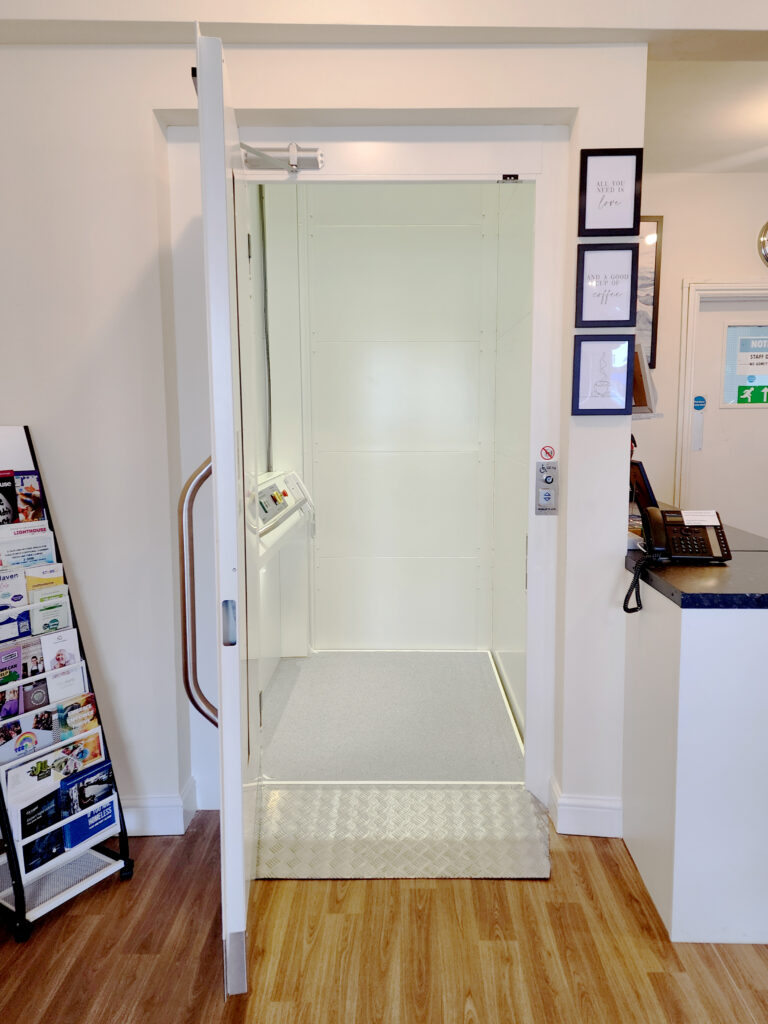
Different types of platform lift can add value in different ways, depending on the building and how the space is used.
Vertical Platform Lifts
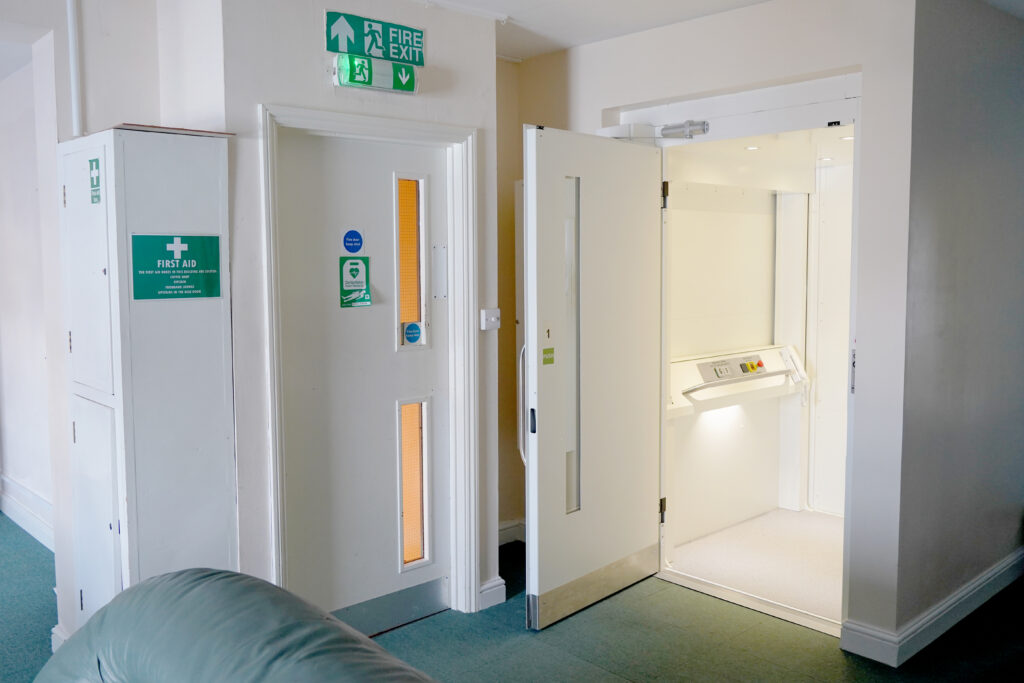
The most common solution in commercial settings, these provide step-free access between floors with a relatively compact footprint. They are well suited to offices, schools, and public buildings where reliable, everyday access is required.
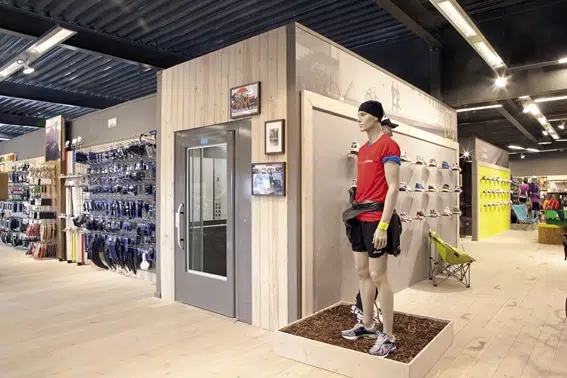
Cabin-Style Lifts
Offering a more enclosed, passenger lift-style experience, these are often chosen where appearance and user comfort are a priority. With a wider range of finishes and a more traditional lift feel, they can better both functionality and the overall perception of the space.
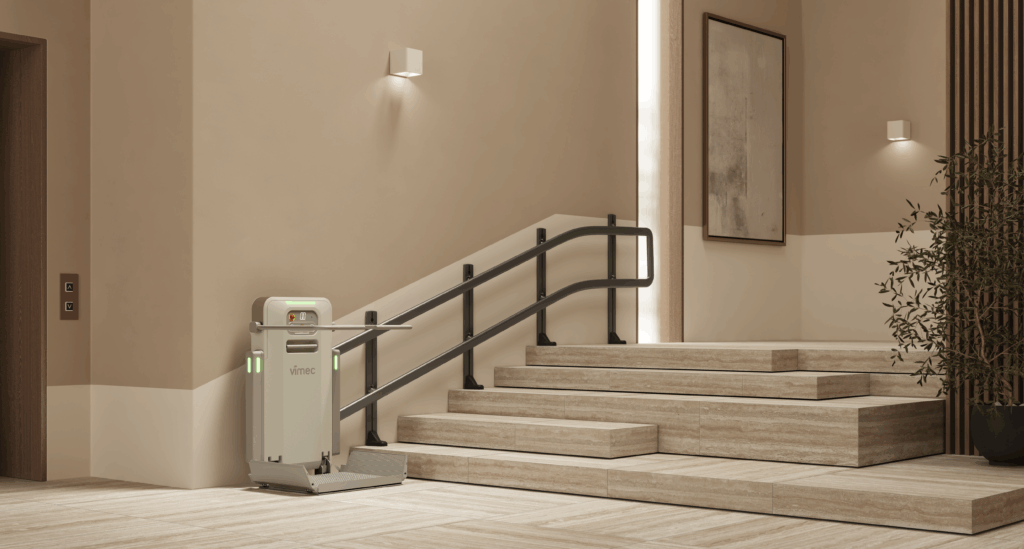
Inclined Platform Lifts
Installed directly onto a staircase, these are ideal for retrofit projects where space is tight or structural changes need to be minimised. They provide access without the need for a vertical shaft, making them a practical solution for many existing buildings.
Step Lifts and Short-Rise Solutions
Designed for small changes in level, step lifts offer a simple and cost-effective way to improve access over short distances. With minimal installation requirements, they are well suited to entrances, split levels, or internal level changes.
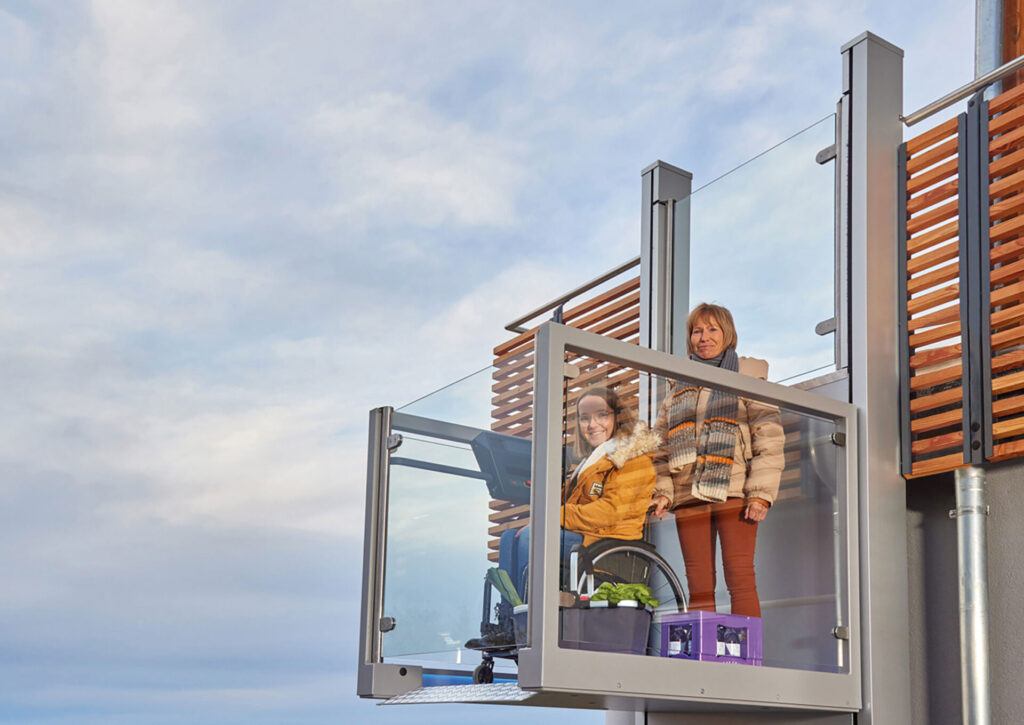
Selecting the right type of lift ensures the solution adds both practical and long-term value, and with the right maintenance support in place, a well-installed lift can provide dependable access for many years, reinforcing its value well beyond the initial installation.

The Role Design Plays
A site survey, along with photos of the staircase or site drawings, is usually the first step in determining whether an inclined lift is a suitable and feasible solution. From there, the following should be considered:
- The staircase must have sufficient width, typically starting from around 990mm to 1010mm depending on the model and configuration.
- The lift also requires a suitable fixing point, either a supporting wall or stanchions where wall mounting isn’t possible.
- A standard power supply is needed, although most systems operate on battery power during use.
Installation must always be carried out by qualified professionals to ensure safety, compliance, and long-term reliability.
Some Common Questions
Does a lift really increase property value?
In many cases, yes. Improving accessibility can make a building more appealing to tenants and buyers, while also increasing usable space. This can contribute to a higher overall property value, particularly where access was previously limited.
Can it be added to an existing building?
Yes. Platform lifts are commonly installed in existing buildings and are designed to work within space constraints, often without the need for major structural changes.
How much space is needed?
Space requirements vary depending on the type of lift, but many solutions are designed with a compact footprint. A site survey will determine the most suitable option for the available space.
Will installation disrupt operations?
In most cases, disruption can be kept to a minimum with careful planning. Installations are often phased to suit the building’s use, particularly in busy commercial environments.
Do I need planning permission?
Internal installations typically do not require planning permission, but this can vary for listed buildings or external works. It’s always best to confirm requirements early in the process.
Explore Your Options for Long-Term Value
Selecting the right platform lift depends on the building, the available space, and how the lift will be used. A solution that fits naturally within the layout will deliver the greatest long-term value. This is why a detailed site survey is essential, allowing the specification to be matched from the outset.
If you’re planning a refurbishment or looking to improve accessibility, you can explore our platform lift range to understand the options available. Alternatively, speak to our team to arrange a survey or discuss your requirements.