 Delivered Nationwide
Lift compliance is rarely covered by one rule. It brings together Building Regulations, accessibility law, product standards, safe installation, and ongoing maintenance duties. This guide gives you a clear starting point, with links to more detailed advice on commercial platform lifts, cabin lifts, and lift servicing where you need it.
Understanding Lift Compliance in the UK
Before looking at individual regulations, it’s useful to understand how lift compliance works as a whole. There isn’t a single law that determines whether a lift is compliant. Instead, several pieces of legislation and recognised standards work together to ensure lifts are safe, accessible, and suitable for the buildings they’re installed in.
Some requirements apply during the design and specification stage, while others relate to installation, ongoing maintenance, inspections, and the responsibilities of building owners. Understanding how these fit together makes it much easier to choose the right lift, and meet your legal obligations throughout the lift’s lifespan.
| Regulation / Standard | What it Covers |
| Building Regulations (Part M) | Sets accessibility requirements for new buildings and certain refurbishments. |
| Equality Act 2010 | Requires organisations to make reasonable adjustments to improve accessibility for disabled people. |
| EN 81 Standards | European safety standards covering the design, manufacture, installation, and operation of lifts. |
| Machinery Regulations / Lift Regulations | Define the product safety requirements that different lift types must meet before they are placed into service. |
| LOLER (Lifting Operations and Lifting Equipment Regulations) | Requires certain lifts to undergo regular thorough examinations to ensure they remain safe to use. |
| PUWER (Provision and Use of Work Equipment Regulations) | Covers the safe use, maintenance, and suitability of work equipment, including lifts used in workplaces. (Internal link: LOLER vs PUWER) |
| Building Safety Act | Introduces additional responsibilities for those managing higher-risk buildings and maintaining building safety. |
While each regulation has a different purpose, they all contribute to the same goal: creating buildings that are safe, accessible, and compliant throughout their operational life. The following sections explore each area in more detail, helping you understand what applies to your project and when.
Building Regulations & Accessible Design
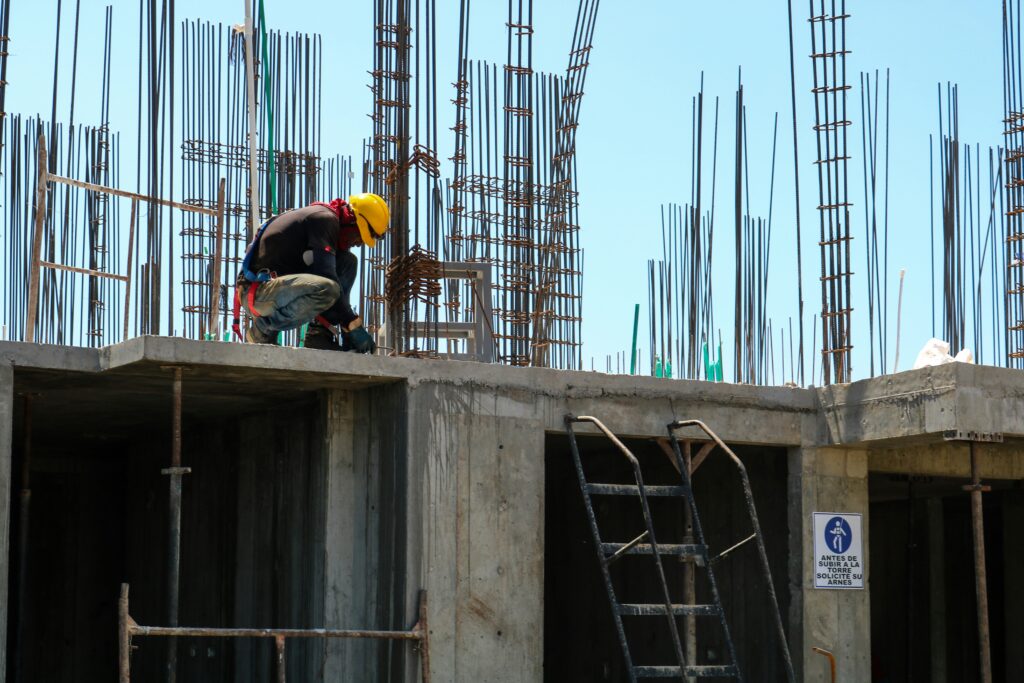
When designing a new commercial building or refurbishing an existing one, accessibility should be considered from the outset. In England, Approved Document Part M of the Building Regulations sets out minimum requirements for providing step-free access and ensuring buildings can be used safely and independently by everyone. Supporting guidance, such as BS 8300, expands on these principles, offering best practice for creating inclusive environments beyond the minimum legal requirements.
A key objective is to provide an accessible route throughout a building. Where changes in level cannot be avoided, a lift may be the most practical way to provide safe, reliable access. The most appropriate solution will depend on factors such as travel height, available space, expected usage, and the building’s overall layout.
How Platform Lifts Fit In
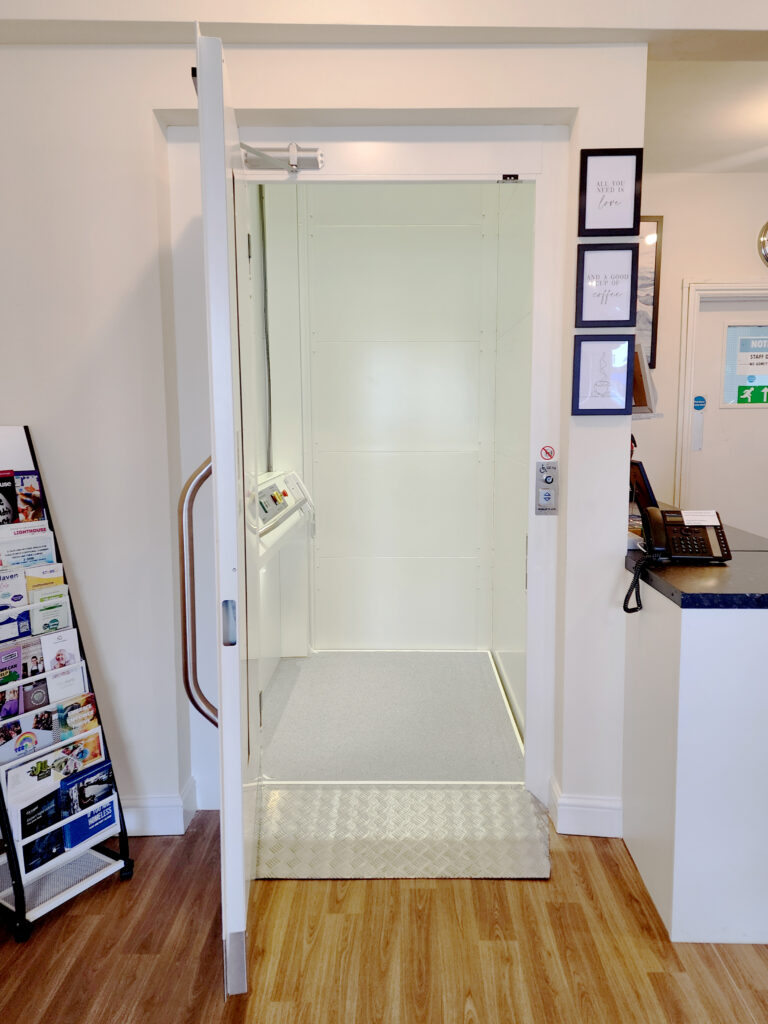
A commercial platform lift offers a compliant and space-efficient alternative where a conventional passenger lift isn’t necessary or practical. For larger buildings with higher passenger numbers or greater travel distances, a cabin platform lift may be the more suitable choice.
Models such as the Aritco PublicLift Access, Motala 2000 Platform Lift, and Vimec AR:IA Commercial Cabin Lift have been developed to suit different building layouts and accessibility requirements, while supporting compliance with the relevant product standards.
They are intended for different applications rather than one being universally better than another.
What to Consider When Refurbishing
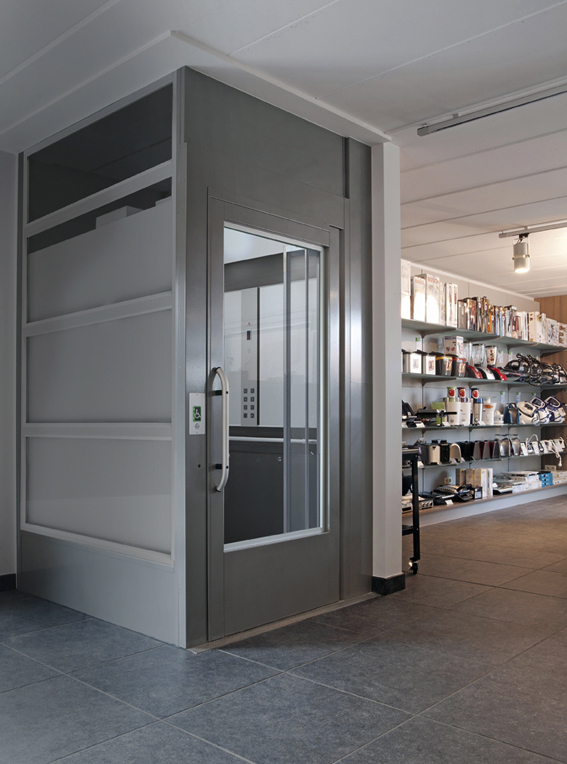
Existing buildings often present structural constraints, but this doesn’t remove the need to improve access wherever it is reasonable to do so. Early planning can help identify the most suitable lift solution while minimising alterations to the building.
Accessibility Doesn’t End with Building Regulations
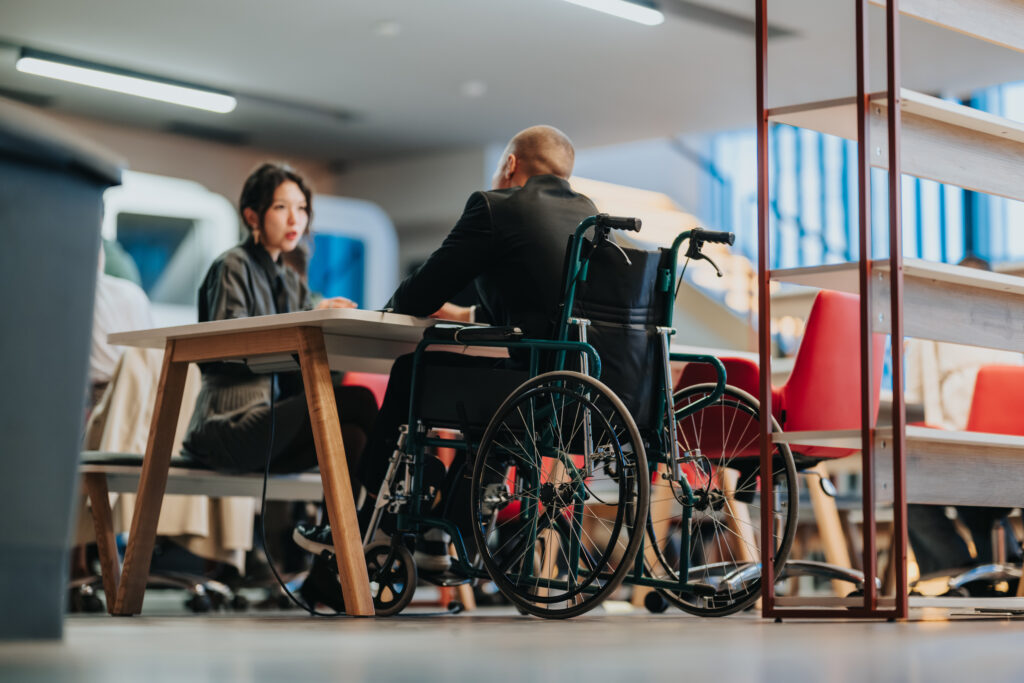
Meeting Building Regulations is an important milestone, but it’s not the end of your accessibility responsibilities. The Equality Act 2010 places an ongoing duty on employers, service providers, and organisations responsible for public buildings to make reasonable adjustments where disabled people would otherwise be placed at a substantial disadvantage.
Unlike Building Regulations, which primarily apply during construction and certain refurbishment projects, the Equality Act continues throughout a building’s life. This means accessibility should be reviewed as buildings evolve, whether through changes in occupancy, alterations to layouts, or changing user needs.
How This Applies to Existing Buildings
The most appropriate solution will depend on the building, the barriers that exist, and what is possible in the circumstances. However, where access between floors prevents people from using a building independently, introducing a platform lift or cabin lift may form an important part of improving accessibility.
After all, accessible buildings create a better experience for your employees, visitors, customers, and contractors together – while helping to reduce legal risk and demonstrate an ongoing commitment to inclusion.
Choosing a Lift That Supports Compliance
No two commercial buildings are the same, so there isn’t a single lift solution that suits every project. The right choice depends on factors including available space, expected usage, travel distance, structural constraints, and the accessibility requirements of the building itself.
The examples below show which lift types are commonly suited to different building challenges. The final specification should always consider the building’s layout and the needs of the people using it.
| Building challenge | Suitable solution | Why it’s commonly used |
| Limited footprint or retrofit project | Motala 2000 Platform Lift | A compact platform lift designed for buildings where space is restricted, with minimal structural work and a self-supporting shaft. |
| Traditional passenger lift experience | Vimec AR:IA Commercial Cabin Lift | An enclosed cabin lift that offers the look and feel of a conventional passenger lift, making it well suited to offices, healthcare settings, and public buildings. |
| External entrances or raised access | Aritco PublicLift Access (External) | Built for outdoor installations, helping provide step-free access between outdoor levels and building entrances. |
| Moving both passengers and light goods | Aritco PublicLift Access (Goods) | Designed to accommodate wheelchair users alongside trolleys and other light goods in busy commercial environments. |
| Small changes in level, entrances or terraces | UnaPorte® Platform Step Lift | Ideal for overcoming short rises where a ramp isn’t suitable, particularly at entrances and split-level access points. |
Accessibility Challenges by Building Type

Schools
Schools and colleges need lifts that stand up to constant daily use while providing reliable access for pupils, staff, and visitors. Older education buildings rarely have spare space, so refurbishment projects often favour compact platform lifts or stair platform lifts that fit within the existing layout without extensive building work.

Offices
Accessibility is an important part of creating an inclusive workplace. New office developments may have space for a cabin lift, while existing offices often benefit from a platform lift that can be installed with minimal structural alterations. The right solution depends on the building rather than a one-size-fits-all approach.

Healthcare
Healthcare environments demand dependable access. Wheelchair users, patients, carers, and medical equipment all rely on lifts working when they’re needed. Lift selection often focuses on capacity, ease of use, and keeping disruption to an absolute minimum during installation and servicing.

Retail
Retail establishments need to keep customers moving comfortably between levels without sacrificing valuable sales space. Compact platform lifts, cabin lifts, and platform step lifts are all common choices, depending on the height difference and how the building is used.

Hotels & Tourist Sites
Public spaces need to provide straightforward access for guests, staff, and visitors across bedrooms, restaurants, meeting spaces, and other shared areas.
In new developments, cabin lifts are often specified to handle higher levels of use, while refurbishment projects may favour compact platform lifts where space is limited. Any lift should complement the building’s layout, provide a comfortable user experience, and support accessible accommodation throughout the property.

Community & Historic Buildings
Improving accessibility in listed and historic buildings calls for careful planning. Every project is different, but the aim is always the same: improve access while respecting the character of the building.
Village halls, libraries, museums, and places of worship are frequently adapted rather than rebuilt. Space, budget, and the existing layout all influence the final specification, making compact, flexible lift solutions a popular choice for many community projects. Compact lift solutions are often well suited to projects where structural changes need to be kept to a minimum.
Planning Compliance Early Saves Time & Money
Accessibility is much easier to achieve when it’s considered at the beginning of a project rather than after construction has started. Allowing space for a lift shaft, confirming pit and headroom requirements, and maintaining suitable circulation space around entrances all help avoid costly redesigns later. Even compact platform lifts have minimum space requirements, so identifying the right location early gives architects and project teams greater flexibility.
Looking Beyond Today’s Requirements
A building may initially have low visitor numbers, but future changes in occupancy, legislation, or accessibility expectations could affect how the space is used. Specifying a lift with future adaptation in mind can reduce the need for major alterations later.
This is particularly relevant in refurbishment projects, where existing structures often limit the available options. An early site survey can identify potential constraints before they become expensive problems, helping to determine which lift types are suitable for the building and what preparatory work, if any, is needed.
Compliance After Installation
Regular servicing helps identify wear before it develops into faults, reducing downtime and extending the life of the lift. Many organisations choose a lift servicing contract to ensure maintenance is carried out at the recommended intervals and by qualified engineers.
- Some lifts are also subject to LOLER, which requires periodic thorough examinations by a competent person. These inspections are separate from routine servicing and are designed to confirm that lifting equipment remains safe to use.
- In workplaces, PUWER may also apply, placing responsibilities on employers to ensure equipment is suitable, properly maintained, and used safely.
Building managers should also ensure staff know what to do if a lift develops a fault or is taken out of service. While day-to-day users don’t need specialist knowledge, they should understand reporting procedures and basic safety guidance.
Simple visual checks can also help identify problems early. Unusual noises, damaged controls, slow operation, or signs of wear should never be ignored. Reporting small issues promptly often prevents larger repairs later.
Outdoor Lift Compliance
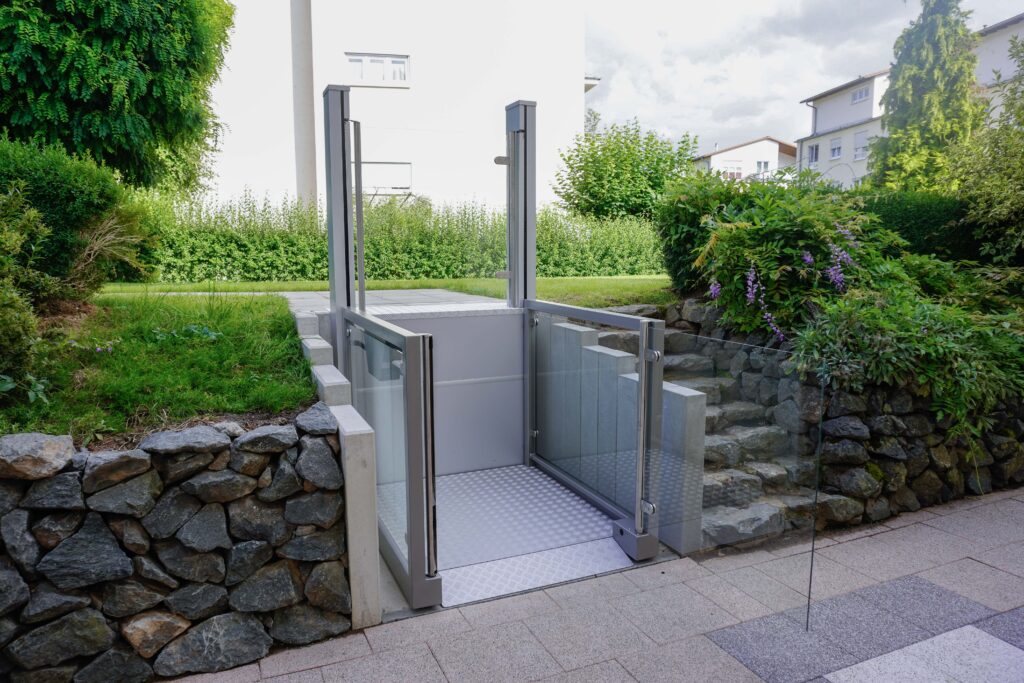
When specifying an outdoor lift, it’s important to consider features that protect key components against weather and corrosion. One of the simplest ways to assess this is by looking at the IP (Ingress Protection) rating, which indicates how well electrical components are protected against dust and water. For many outdoor applications, an IP54 rating provides suitable protection against dust ingress and splashing water, making it well suited to typical UK weather conditions.
Models intended for outdoor use may also include corrosion-resistant components, weather protection features, and battery backup systems that allow the lift to complete a journey or return safely during a power cut. These considerations help maintain reliable operation throughout the year.
Commercial Lift Compliance Checklist
If you’re planning a new installation or reviewing an existing lift, use this checklist as a starting point:
- Does the lift provide an accessible route where it’s needed?
- Have Part M and BS 8300 requirements been considered?
- Have your responsibilities under the Equality Act been reviewed?
- Is the lift appropriate for the building, its users, and expected traffic?
- Have shaft, pit, headroom, and circulation space been allowed for?
- Has an appropriate lift standard been specified?
- Is a servicing contract in place?
- Are LOLER examinations arranged where required?
- Are maintenance records and inspection reports up to date?
- Do staff know how to report faults and manage lift downtime safely?
Every building is different, so this checklist shouldn’t replace professional advice. An early technical survey can help identify compliance requirements before installation begins, or highlight improvements that could be made to an existing lift.
Need Advice on Specifying a Compliant Lift?
Every building presents its own challenges, and the right solution depends on far more than travel height or available space. If you’re planning a new project or upgrading an existing building, we’re here to help you identify a lift that suits your building, your users, and your compliance requirements.
Frequently Asked Questions
Do all commercial buildings need a lift?
Not always. The requirement depends on the building’s use, layout, and accessibility needs. Building Regulations and the Equality Act should both be considered.
Are platform lifts Part M compliant?
They can be. Many platform lifts are suitable for meeting Part M requirements when correctly specified and installed.
What’s the difference between Part M and the Equality Act?
Part M sets accessibility requirements for certain building work. The Equality Act places an ongoing duty on organisations to make reasonable adjustments for disabled people.
When is a passenger lift required?
Passenger lifts are often specified in larger buildings with higher footfall or greater travel distances. Smaller buildings may be better suited to a passenger-style platform lift.
Can I install a lift in an existing building?
Yes. Many lifts are designed specifically for retrofit projects and can be installed with minimal structural alterations.
Does an outdoor lift need a special IP rating?
It should have an IP rating appropriate for its environment. This helps protect electrical components against dust and water ingress.
How often does a lift need servicing?
The recommended frequency depends on the lift type and usage. Following the manufacturer’s servicing schedule helps keep the lift safe and reliable.
Does every lift need a LOLER examination?
Not necessarily. Whether LOLER applies depends on how the lift is used and the relevant legal requirements.
Can stairlifts meet accessibility requirements?
In some situations, yes. Platform stairlifts can provide an effective access solution where installing a lift shaft isn’t feasible.
What is EN 81-41?
EN 81-41 is the European safety standard that covers vertical platform lifts intended for use by people with impaired mobility.
What happens if a lift breaks down?
The lift should be taken out of service until it has been inspected and repaired by a qualified engineer. Regular maintenance helps reduce the risk of unexpected breakdowns.
Who is responsible for lift compliance?
Building owners, employers, or those responsible for managing the premises are generally responsible for ensuring lifts are maintained and operated safely.
Can a platform lift carry goods as well as passengers?
Some models are designed for both passengers and light goods, but this depends on the lift’s specification and intended use.
Can accessibility be improved without major building work?
Often, yes. Many modern platform lifts and stair platform lifts are designed for existing buildings where space and structural alterations are limited.