 Delivered Nationwide
Outdoor platform lifts are often exposed to the elements, from heavy rain to dust and fluctuating temperatures. Without the right level of protection, this can lead to reliability issues, safety concerns, and increased downtime. This is where IP ratings become important, providing a recognised standard for how well equipment is protected against environmental factors in outdoor use.
What Does ‘IP54’ Actually Mean?
IP ratings (Ingress Protection ratings) are used to define how well equipment is protected against dust and water. They are made up of two digits. The first relates to solid particles, and the second to liquids.
In an IP54 rating, the ‘5’ means the unit is protected against dust ingress to a level that won’t affect performance. The ‘4’ means it is protected against splashing water from any direction, including rain.
It’s important to note that IP54 does not mean waterproof. It is designed to handle typical outdoor conditions, but not direct water jets or submersion.
Why IP Ratings Matter for Platform Lifts
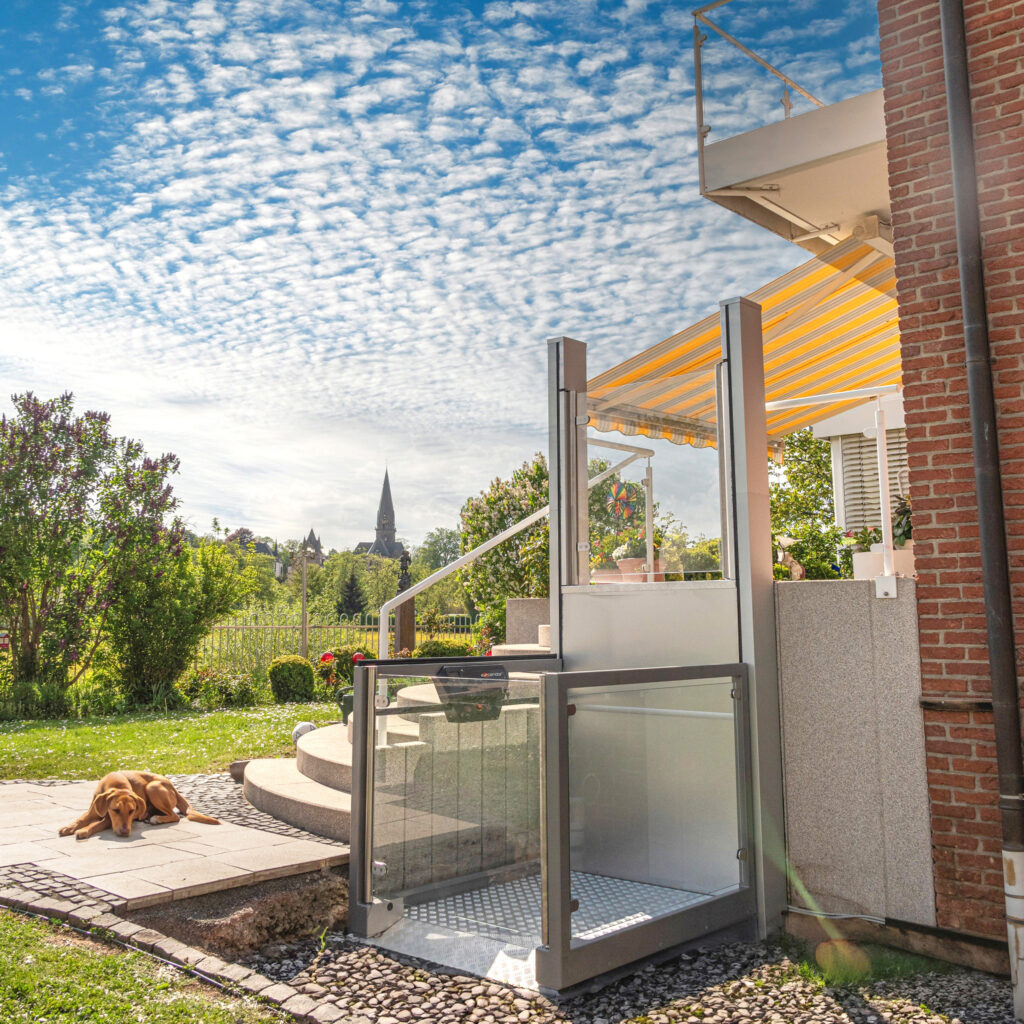
Outdoor environments are inherently unpredictable. Lifts installed outside are exposed to rain, airborne dust, debris, and ongoing temperature changes, all of which can affect performance over time.
Without the right level of protection, these conditions can lead to accelerated wear on components, increased risk of faults, and unplanned downtime. Moisture can interfere with electrical systems, while dust and debris can impact moving parts.
IP ratings matter because they define how well a lift is protected against these everyday conditions.
The Risks of Using Non-Rated or Lower-Rated Equipment
Using equipment without an appropriate IP rating introduces avoidable risks, particularly in outdoor environments. Water ingress can lead to electrical faults, affecting controls, sensors, and overall operation. At the same time, dust and debris can enter mechanical components, causing increased wear and reducing efficiency over time.
Specifying equipment with the right level of protection from the outset helps avoid these problems and ensures long-term operation.
Where IP54-Rated Lifts Are Typically Used
IP54-rated lifts are typically used in areas where equipment is directly exposed to the elements and reliable operation is essential:
Outdoor Entrances
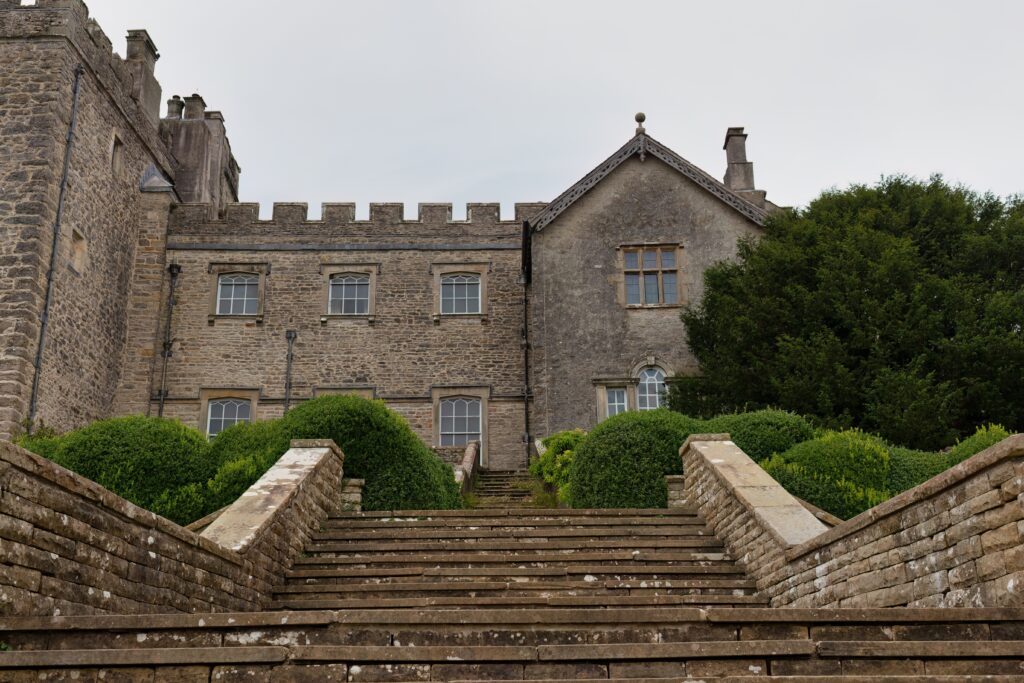
Providing step-free access at building entry points where exposure to rain and debris is unavoidable.

Schools and Public Buildings
Supporting consistent access in high-traffic environments with regular daily use.
Terraces and Raised Access Points
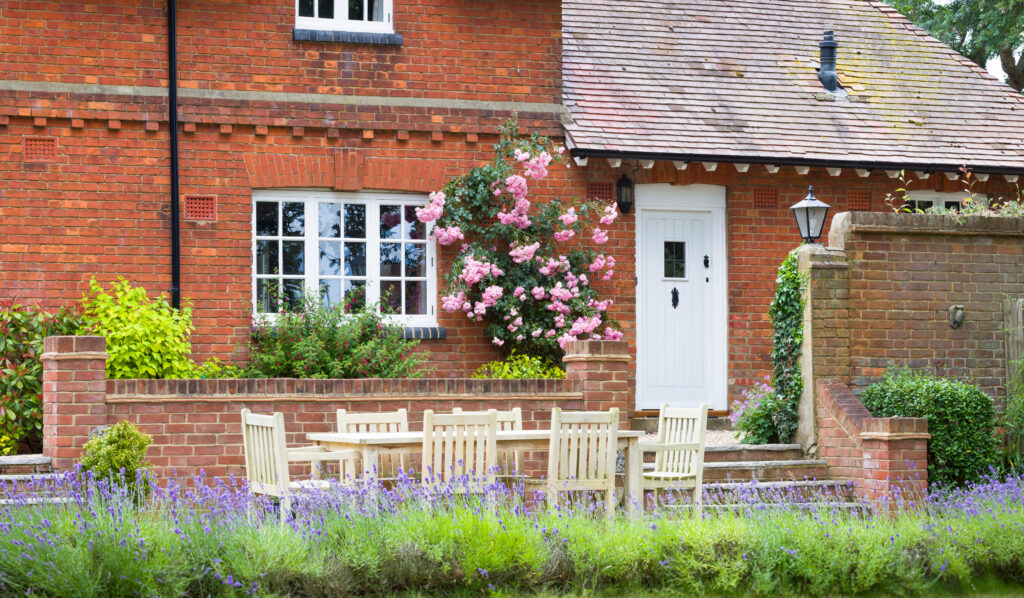
Ideal for outdoor level changes where space is limited and ramps aren’t practical.
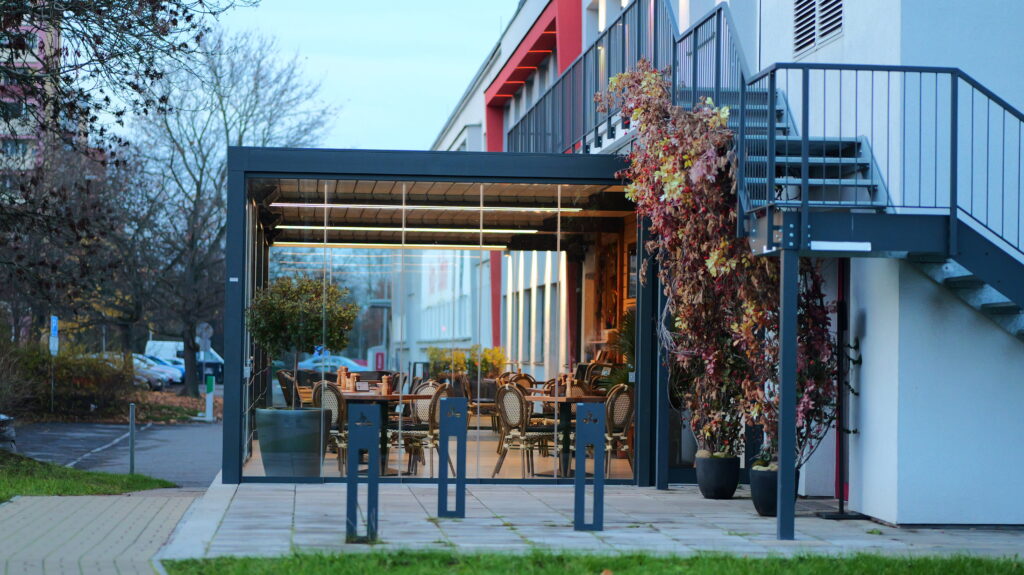
Retail and Hospitality Settings
Enabling access at shopfronts, outdoor seating areas, and split-level entrances without compromising reliability.
How This Applies to Platform Step Lifts
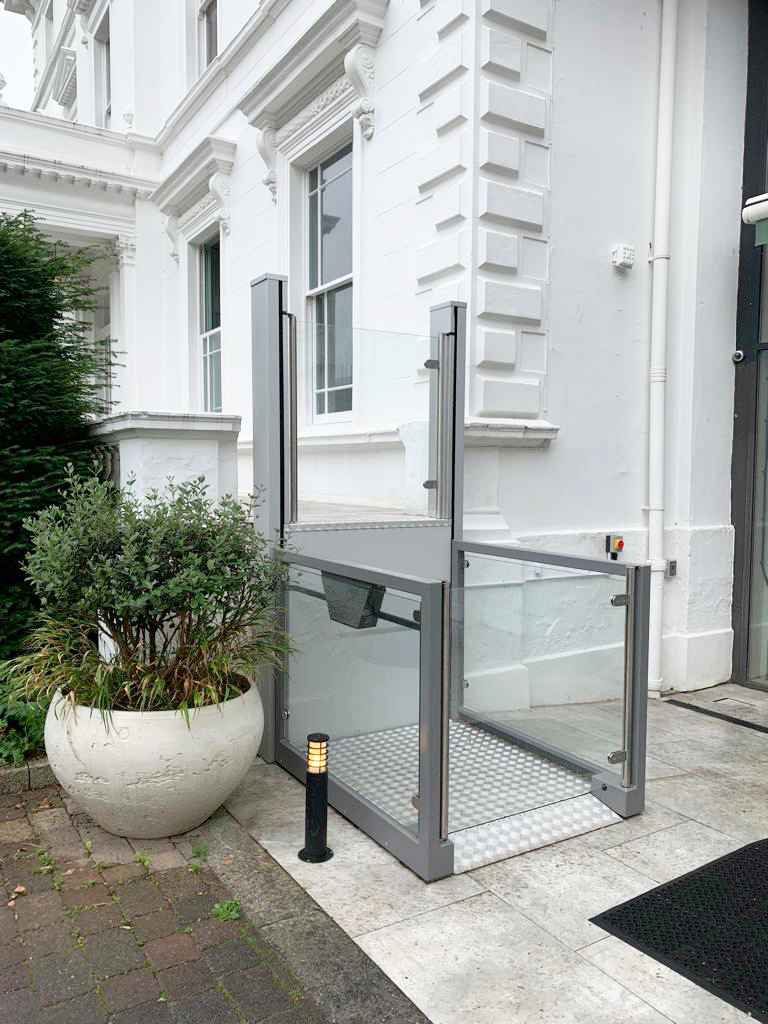
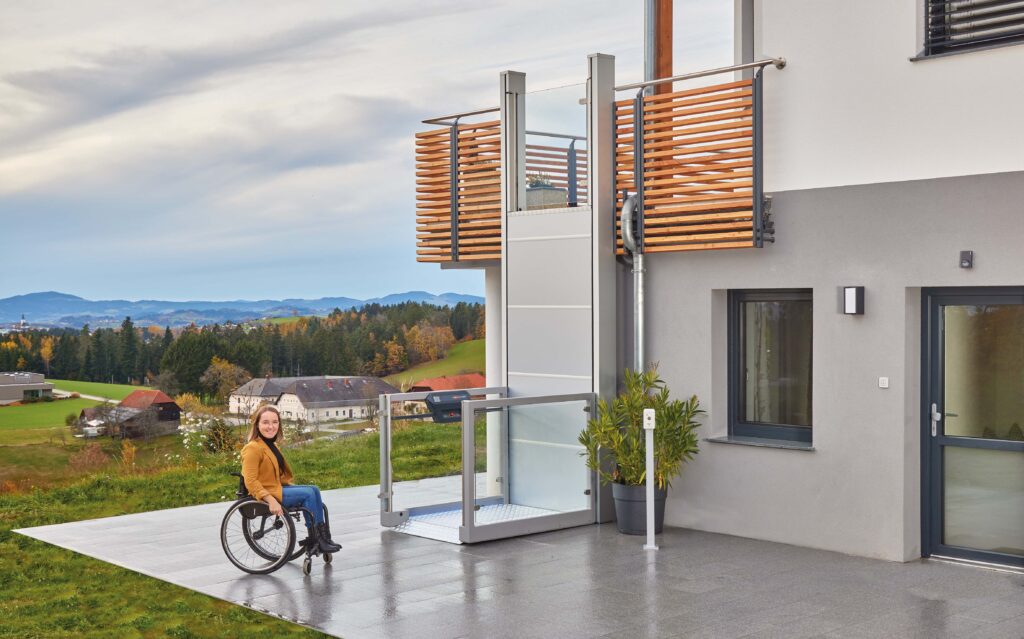
This is particularly relevant for platform step lifts, which are often installed at entrances and other exposed locations. Designed for outdoor use, solutions like the UnaPorte® use IP54-rated components and weather-resistant construction to maintain performance in typical outdoor conditions. This level of protection is suited to most everyday outdoor access points where exposure is consistent but not extreme.
With a compact footprint and the ability to overcome short rises, they are commonly used where space is limited and a full lift isn’t practical. In these situations, having the right level of environmental protection is key.
All Features Working as One
Outdoor performance depends on where a solution is installed and how well it continues to operate over time. Several key features contribute to this:
- IP-rated components – Protect critical systems from dust and water ingress, helping maintain consistent performance and reducing the risk of faults.
- Battery backup – Allows the lift to complete journeys or return safely during a power cut, ensuring continued access when it’s needed most.
- Anti-slip platform surfaces – Improve safety in wet conditions, reducing the risk of slips at entrances and exposed locations.
- Simple, compact installation – Makes it easier to retrofit lifts into outdoor environments without extensive building work or disruption.
Long-Term Access Starts with the Right Level of Protection
Specifying an appropriate IP rating has a direct impact on long-term reliability. By reducing the risk of water and dust ingress, IP54-rated equipment is designed to handle everyday outdoor conditions without compromising performance.
As a result, maintenance requirements can be more predictable, with fewer reactive repairs needed over time. That said, regular servicing remains essential to ensure safe operation and to extend the lifespan of the lift. With the right combination of protection and maintenance, outdoor lifts can deliver dependable performance for years.
Explore Your Options
Selecting the right outdoor lift depends on the environment it will operate in. Exposure to weather, usage levels, and available space all influence the most suitable specification. A site survey helps identify these factors early, ensuring the lift is designed to perform reliably in its surroundings.
With experience across a wide range of outdoor installations, we can help define a practical, well-suited solution for your next project.
More About IP54 Ratings
Is IP54 suitable for outdoor platform lifts?
Yes. IP54 is suitable for many outdoor lift applications, particularly where exposure is limited to rain and general weather conditions. It provides a practical level of protection without over-specifying the equipment.
Is IP54 waterproof?
No. IP54 protects against dust and splashing water, but it is not designed for heavy washdown, water jets, or submersion.
Can an IP54 lift be used in rain?
Yes. IP54-rated equipment is designed to operate reliably in typical outdoor conditions, including rain and general exposure to the elements.
What’s the difference between IP54 and IP65?
IP54 protects against dust ingress and splashing water, while higher ratings such as IP65 offer additional protection against water jets.
In most standard outdoor lift applications, IP54 provides a suitable and practical level of protection.
Do outdoor lifts need more maintenance?
Not necessarily. With the correct IP rating, maintenance can remain predictable. However, regular servicing is still important to ensure long-term reliability.
Can lifts be installed in exposed locations?
Yes, provided they are specified correctly. Choosing equipment with an appropriate IP rating ensures it can handle environmental exposure without compromising performance.