 Delivered Nationwide
More than 16 million people in the UK live with a disability. Good architectural design recognises this reality. Inclusive access is not limited to wheelchair users; it also supports older people, parents with pushchairs, and anyone who finds stairs a barrier. Accessibility now sits alongside compliance, safety, and reputation as a core design consideration – vertical access should therefore be addressed at concept stage, not added once a scheme is complete.
Designing Buildings for Everyone
Inclusive access is underpinned by law. The Equality Act 2010 requires building owners and service providers to make reasonable adjustments so disabled people are not placed at a disadvantage. In practical terms, this often means ensuring step-free movement between levels.
Approved Document M (Part M) of the Building Regulations sets out how access and vertical circulation should be achieved. In multi-storey buildings, passenger lifts are generally expected, with platform lifts considered where constraints apply.
The Building Safety Act 2022 has further strengthened accountability in higher-risk buildings, placing greater emphasis on safe movement, evacuation routes, and ongoing system management. Lift systems therefore form part of a wider safety strategy, beyond just an accessibility feature.
For More Than Just Wheelchair Users
Parents with pushchairs, older visitors, and people recovering from injury often rely on step-free routes. Others may manage short distances but struggle with stamina on multiple flights of stairs. Visual accessibility also matters, with features such as tactile controls and Braille labelling allowing independent use without relying on sight.
When lifts are specified with these users in mind, buildings become easier to navigate for a broader range of people, including those with permanent mobility impairments.
Architectural Planning
Lifts should be considered early in the design process, as the type specified will influence layout, circulation space, and structural requirements.
- In larger public buildings, a passenger-style lift such as the Motala 2000 Cabin Platform Lift or Vimec AR:IA Commercial Cabin Lift may be appropriate where higher travel and frequent use are expected.
- Where space is limited or travel distances are modest, platform lifts including the Aritco PublicLift Access or Motala 2000 Platform Lift can provide compliant vertical access with a smaller footprint.
- For minimal level changes, the UnaPorte® Platform Step Lift may suffice.
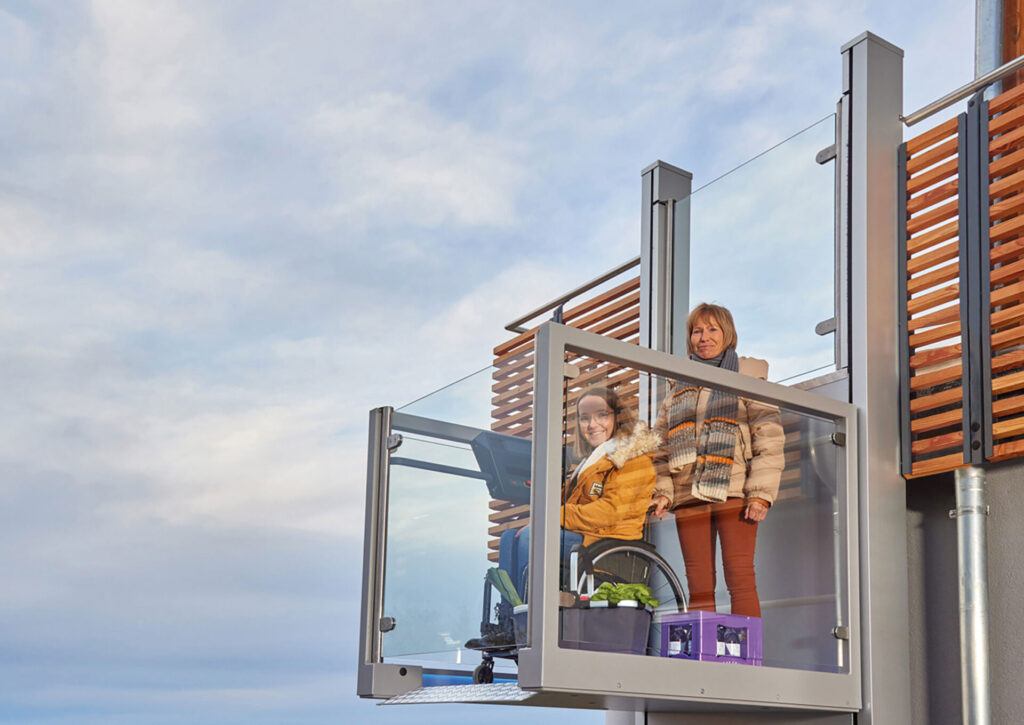
External lift structures can also be introduced where internal alterations are restricted, particularly in heritage or retrofit projects.
Sector-Specific Design Considerations
Schools
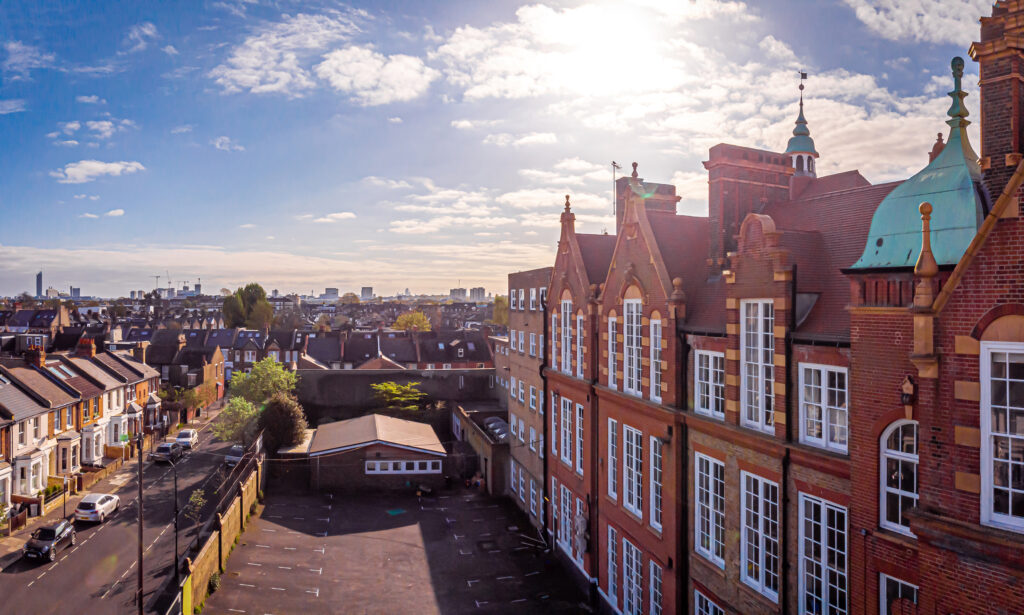
In schools, lift provision supports independent movement for pupils, staff, and visitors. Designs must consider safeguarding and supervision, as well as durability in high-traffic environments. Clear controls, robust finishes, and appropriate car sizes are essential, all areas the Motala 2000 range caters to brilliantly.
Our early coordination with school planners helps ensure compliance with Part M while maintaining efficient circulation across multiple floors.
Retail & Leisure
In retail and leisure settings, access directly affects customer experience. If visitors cannot move easily between levels, dwell time and revenue are impacted. Lifts should be visible, intuitive to use, and positioned along natural circulation routes.
Inclusive design in these environments supports commercial performance as well as compliance.

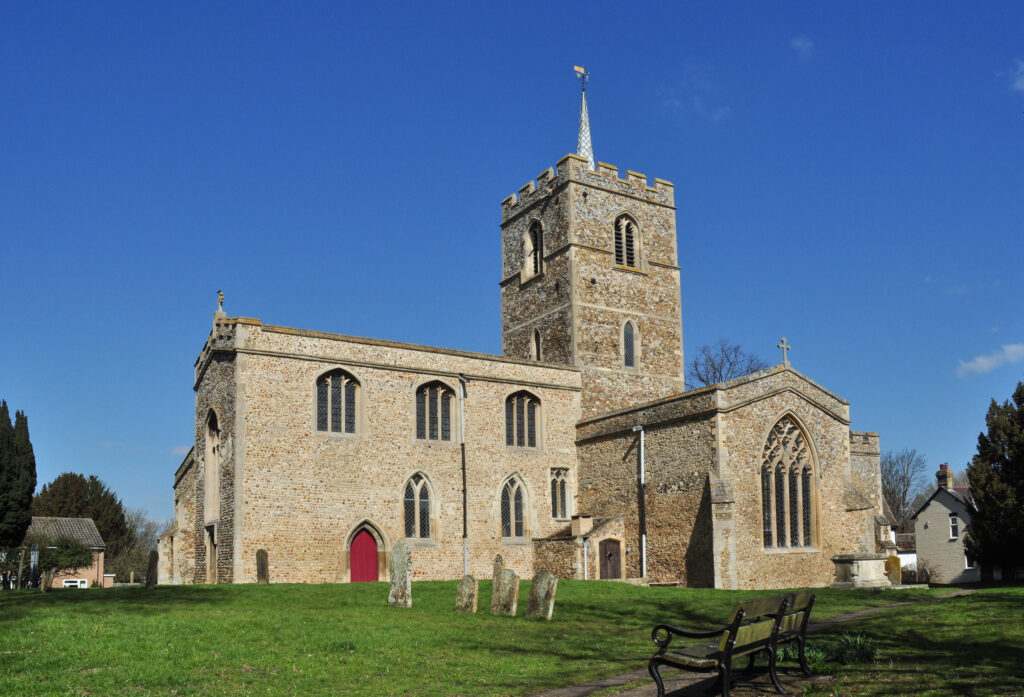
Churches & Community Buildings
Many churches and community buildings are listed or historically significant. Structural intervention must therefore be minimal and sympathetic to the existing fabric.
Compact platform lifts or external lift structures can provide step-free access without compromising architectural character, enabling wider community participation.
Hotels & Tourist Attractions
Guest accessibility is closely linked to reputation. Step-free movement between reception, bedrooms, and amenities is expected. In tourist attractions, lifts allow all visitors to experience the full site rather than limiting access to ground-floor areas. Early design integration reduces disruption and protects aesthetic intent.


Nursing Homes
In nursing homes, lifts are integral to daily operation. They must support residents with varying mobility levels and accommodate carers, equipment, and beds where required. Reliability travel and safe evacuation planning are critical. Lift design here is both an accessibility measure and a core operational requirement.
Compliance & Technical Standards in 2026
Architects and building owners should be aware that lift provision sits within several overlapping regulatory frameworks.
- Approved Document M (Part M) sets out statutory requirements for access and vertical circulation in buildings.
- The Lifts Regulations 2016 govern safety and conformity, including UKCA or recognised CE marking for lift products placed on the market.
- Technical design standards such as the EN 81 series underpin safety, accessibility, and performance expectations.
- For higher-risk buildings, the Building Safety Act 2022 ensures accountability and ongoing safety management.
- Fire Safety Regulations also require regular checks of firefighting and evacuation lifts in certain buildings.
Together, these frameworks shape how lift systems should be specified, installed, and maintained.
Integrating Accessibility Without Limiting Design
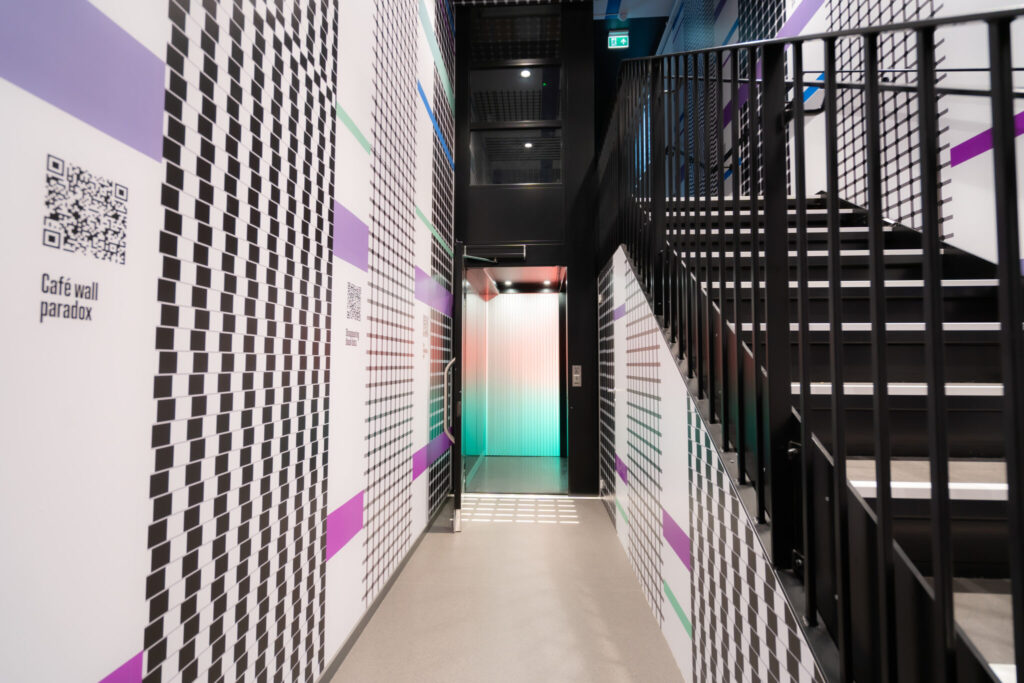
Accessible lift solutions no longer require intrusive alterations. Many of the latest models are designed with compact footprints and self-supporting shafts, reducing the need for major structural work.
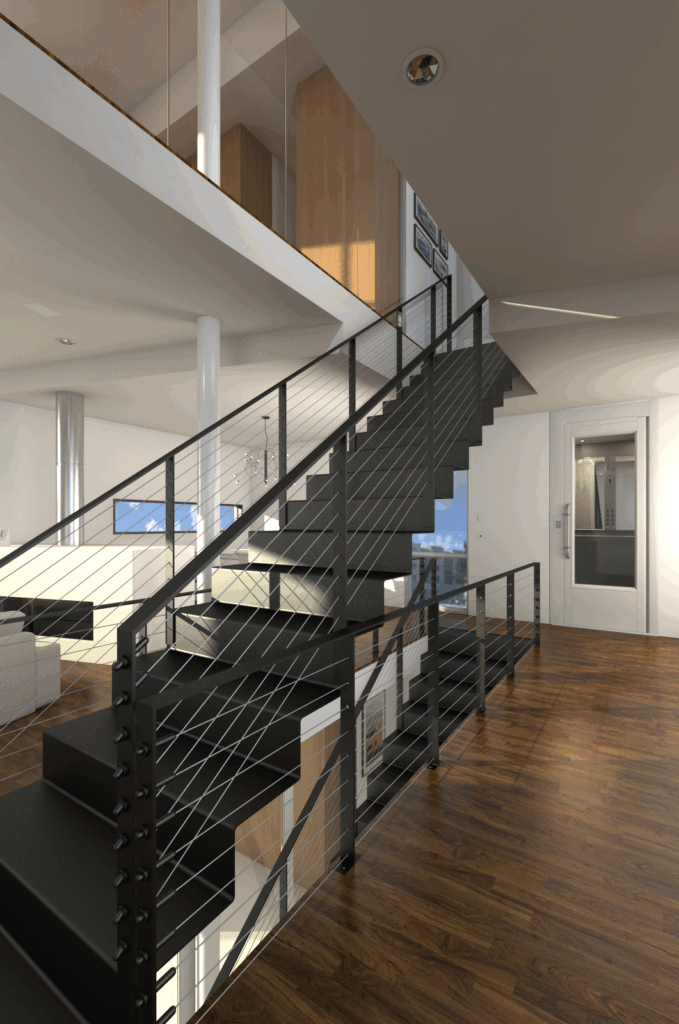
Glazing options and refined finishes allow lifts to integrate cleanly into contemporary or heritage settings. In retrofit projects, systems can often be installed within existing openings or added externally with minimal disruption.
Inclusive design and architectural integrity do not have to be competing priorities – with careful specification, both can be achieved within the same scheme.
Early-Stage Planning
Access works best when considered at concept stage. Early consultation with a lift specialist allows architects to integrate compliant solutions without compromising layout or aesthetics. Incorporating lift requirements into NBS specifications from the outset reduces risk and avoids costly redesign later.

How Invalifts Supports Inclusive Architectural Design
We work alongside design teams to provide technical input, dimensional guidance, and product advice, helping ensure access is well-planned.
When access is integrated thoughtfully, buildings become more usable, resilient, and commercially sustainable for the people who rely on them every day. With over 25 years’ experience, nationwide installation capability, and cross-sector expertise, Invalifts provides compliant lift solutions and free surveys to support early-stage architectural planning.
Frequently Asked Questions
Do all multi-storey public buildings need a passenger lift?
Not necessarily. Part M generally expects a passenger lift in larger multi-storey buildings, but platform lifts may be appropriate where space or structural constraints apply. The suitability depends on building type, travel height, and user needs.
What is the difference between a passenger lift and a platform lift?
Passenger lifts are typically enclosed cabins designed for higher traffic and greater travel distances. Platform lifts often have smaller footprints and are used where space is limited or travel heights are modest, particularly in retrofit or heritage settings.
Can a lift be added to an existing or listed building?
Yes, in many cases lifts can be retrofitted into existing structures. Compact, self-supporting platform lifts or external lift structures are often used in listed buildings where internal alteration must be limited.
Are lifts required under the Building Safety Act 2022?
The Building Safety Act 2022 does not mandate specific lift types, but it increases accountability for safety management in higher-risk buildings.
Lift systems form part of broader building safety considerations, particularly where evacuation or firefighting access is involved.
How do lift specifications support inclusive design beyond compliance?
Beyond meeting regulations, lift specifications can improve user experience through intuitive controls, tactile features, appropriate car sizing, and considered placement within circulation routes. These decisions improve usability for a wider range of occupants.
How do I choose the right lift for my building type?
The correct lift depends on building use, traffic levels, available space, travel height, and regulatory requirements. A site survey and early-stage consultation help determine the most suitable compliant solution. Contact us today to discuss your next project.